Online dating scams targeting American men interested in European women have grown more sophisticated in 2026 - but so have the tools to stop them. The reality is straightforward: if you use a verified platform, follow basic safety protocols, and learn to recognize the warning signs, your chances of encountering a scam drop to near zero. This guide gives you the exact playbook used by experienced international daters who've successfully navigated the process without losing a dollar or a moment of trust.
According to a 2023 GoldenBride survey, 32% of dating site users reported being ghosted, and a significant portion of those interactions involved fake or misleading profiles. Dr. Bolcoa, a relationship therapist specializing in cross-cultural couples, puts it simply: "If it feels off, it probably is." The key is knowing what "off" looks like before you encounter it.
Common Scam Types in International Dating
Catfishing: Stolen Photos and Fabricated Identities
Catfishing remains the most common scam in international dating. A scammer creates a profile using stolen photographs - often from social media accounts of real women - paired with a fabricated biography designed to appeal to your specific interests. They're not real British women or Irish women looking for love. They're individuals, often operating from outside Europe entirely, who have built a digital persona specifically to exploit your desire for a genuine connection.
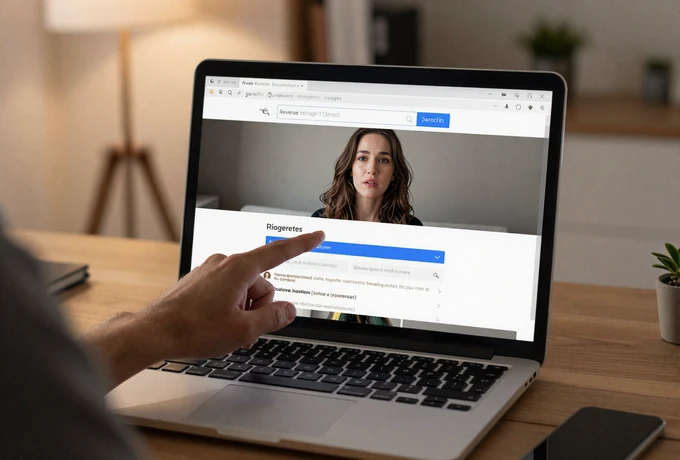
How to detect it: Run a reverse image search on any profile photo that looks too polished. If her images appear on modeling sites, stock photo libraries, or multiple unrelated social media accounts, that profile is almost certainly fake. Verified platforms eliminate this risk by requiring photo ID matching, live selfie verification, and video confirmation before a profile goes public.
The Money Request: Financial Manipulation
This is the most financially dangerous scam type. After weeks of building what feels like a genuine emotional connection through daily messages and occasional calls, the person claims to face a sudden crisis - a medical emergency, a visa problem, a family issue - and asks you to send money. The amounts start small ($50-$200) but escalate rapidly once you've demonstrated willingness to pay.
The rule is absolute: no legitimate European woman will ask a man she hasn't met in person for money. Period. If someone you've been chatting with online asks for a wire transfer, cryptocurrency, or gift cards, the conversation is over. Report the profile immediately and move on.
Too-Good-to-Be-True Profiles
A stunning 25-year-old model who speaks perfect English, shares every single one of your interests, and is already talking about marriage after three days of messaging. Sound familiar? These profiles are engineered to overwhelm your skepticism with excitement. They mirror your stated preferences with surgical precision because they've been crafted to do exactly that.
Genuine European women have their own preferences, opinions, and occasional dealbreakers. A real connection involves some friction, some discovery, some moments where you don't perfectly align. That's authenticity - and it's what separates real profiles from manufactured ones.
Fake Verification and Phishing
Some scammers send links claiming you need to "verify your identity" or "upgrade your account" through an external website. These phishing pages are designed to steal your login credentials, credit card information, or personal data. Legitimate dating platforms will never ask you to verify through an external link sent via chat. All verification happens within the platform itself.